JanetCox

for Woolwich Ward 3 Councillor

Balanced decision making for a fair and sustainable Woolwich

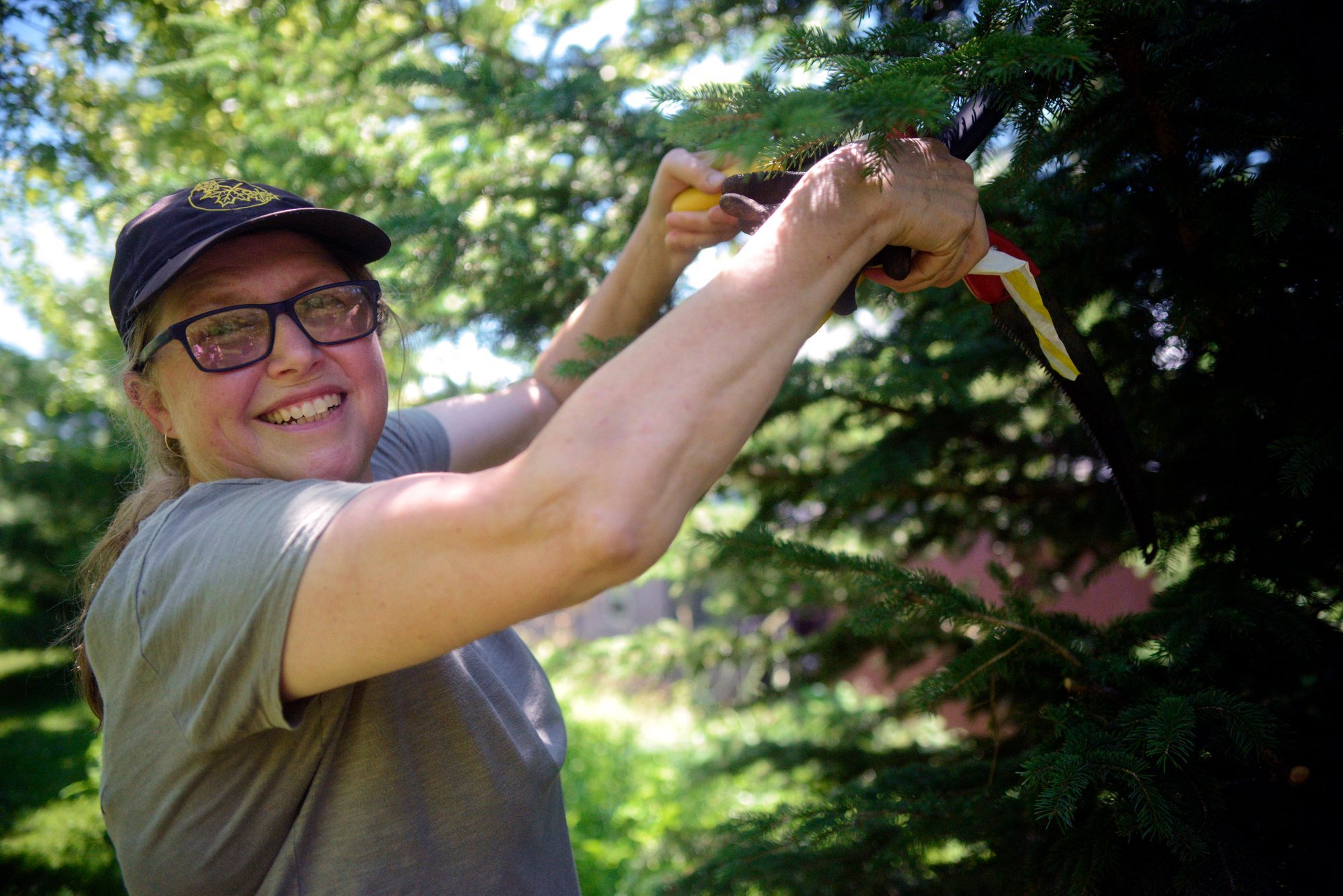
Janet volunteering outdoors while working with a tree
Meg Deak for "The Observer"
34 years as homeowners in Woolwich
A long history of volunteering in Woolwich
Biology, urban planning and business experience

If elected to Township Council

I will do my best to seek input from residents to vote at council to support policies and spending that:

01

Support environmental health, social well-being and policies that are cost-effective.

02

Help to maintain the rural character of Woolwich Township.

03

Support family farms and small, local businesses.

04

Work to expand natural areas and habitat that build landscape climate resilience.

05

Lead to opportunities for our kids to picture a future for themselves in our area.

06

Seek input from residents and support responsible policies and spending.

Important decisions that affect our property values, quality of life and healthy ecosystems happen at the local level.

Janet Cox in Woolwich Township

Janet and her husband, Roger, bought a house on the main street of Maryhill in 1992. They raised their two children here, and both attended Conestogo Public School.
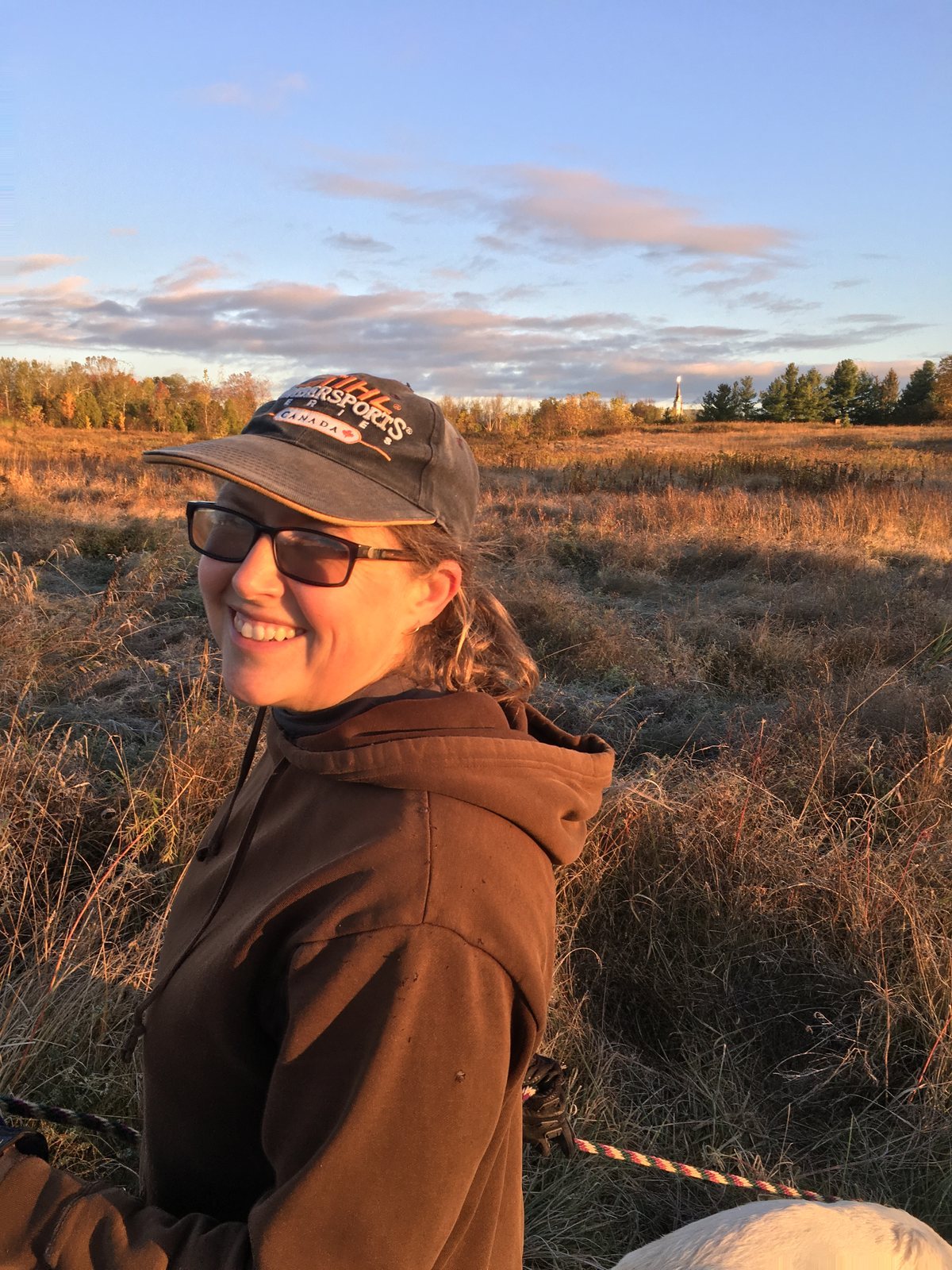
Janet at Stone Meadow Farm in Woolwich
Stone Meadow Farm · near Maryhill

Janet in the News

Grant will help revitalize Schaner Park in St. JacobsThe Observer · June 11, 2026Water awareness championed by Woolwich GardenersThe Observer · June 4, 2026
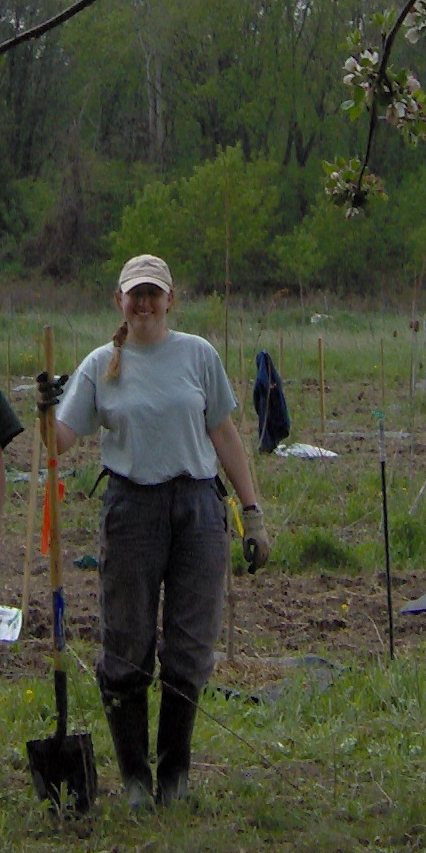
Janet and other volunteers planting trees in Woolwich in 2006

A long history of volunteering in Woolwich

Water stewardship

Woolwich Clean Waterways

Joined in 1992, chaired for 13 years, and led forest planting projects along the Canagagigue Creek north of Elmira.

Committee service

TWEEC and Maryhill Park

Participated in the watershed study that led to TWEEC, served on its first two four-year terms and returned for the current term. Coordinated the original Maryhill Park plantings.

Youth leadership

Maryhill Beaver leader

Served as a Maryhill Beaver leader in Breslau when her children were small.

Habitat projects

Schaner Park and Health Valley Trail

Helped secure grant funding and designed pollinator garden improvements for Schaner Park, with buckthorn removal and native planting planned along the Health Valley Trail in fall 2026.

A basis for informed decisions

Education and business experience

Education
  • B.Sc.H. in Biology · Queen’s University
  • Master’s in Botany (plant community ecology) · University of Guelph
  • Graduate studies in Urban Planning · University of Waterloo
Business Background
  • Ecological landscape design and installation through Riparia, now Stone Meadow Design
  • Executive and entrepreneur in her family’s Factory163 repurposed-factory project in Stratford
  • Landscape designer and landscaper at John’s Nursery in north Waterloo; Fusion Landscape Professional

Growth in south Woolwich

Fairness and the Official Plan

The Official Plan is the community’s long-term agreement about where development belongs and what land uses are permitted. Shaped through public consultation, it gives residents, landowners and businesses clear expectations, guides investment, discourages rural speculation and helps ensure land-use decisions are made openly and fairly.

Questions for Janet

A little more about life on the farm, volunteering and the questions residents have asked.

What animals do you have on your farm?

Chickens, ducks, geese, a few goats, a small herd of Galloway cattle, and house dogs and cats.

Are you the pumpkin lady?

Yes! I’m the farmer that goes around Maryhill each year after Halloween collecting gently used pumpkins, squash, cornstalks and hay to share with my animals. The geese and goats are the biggest fans. It’s a yearly treat that we greatly appreciate.

What is rewarding about volunteering in ecological restoration?

It feels great to go to land where nature is coming back and thriving that we have helped on that path. New meadows support pollinators like bees and butterflies, and in turn birds. Trees and shrubs are growing into new forests and connecting the landscape. The first bird nest that I saw in a tree that we’d planted on the Canagagigue Creek was a truly excellent sight.

I have also made friends with many wonderful people who also want to help nature and future generations of people to thrive.

Why does the Shantz Station gravel pit access your property?

Gravel is needed for highways, roads, building foundations and concrete, and landscaping, yet pits are controversial.

Because hauling gravel long distance is costly and carbon-intensive, the Province has overruled municipal refusals to rezone through the Ontario Land Tribunal, usually requiring concessions rather than stopping a pit.

Gravel extraction is treated as a temporary use: remove the soil, extract the gravel, replace the soil, farm.

Many of us do not agree with the farmer/property owner that the land will be better for farming after, but he seems to think it will, and the landowner fully supported the project.

Our own property has a much higher diversity of plants and animals after extraction and restoration than the farm in question before extraction.

We chose to negotiate access down the road that had been constructed through a beautiful wetland before we arrived to avoid further wetland impacts, to be in a position to monitor and have input into ongoing restoration work, and do what we can to make the best of an almost certain project next door, that we have never promoted.

Get involvedClose